Core Products
Freight Program
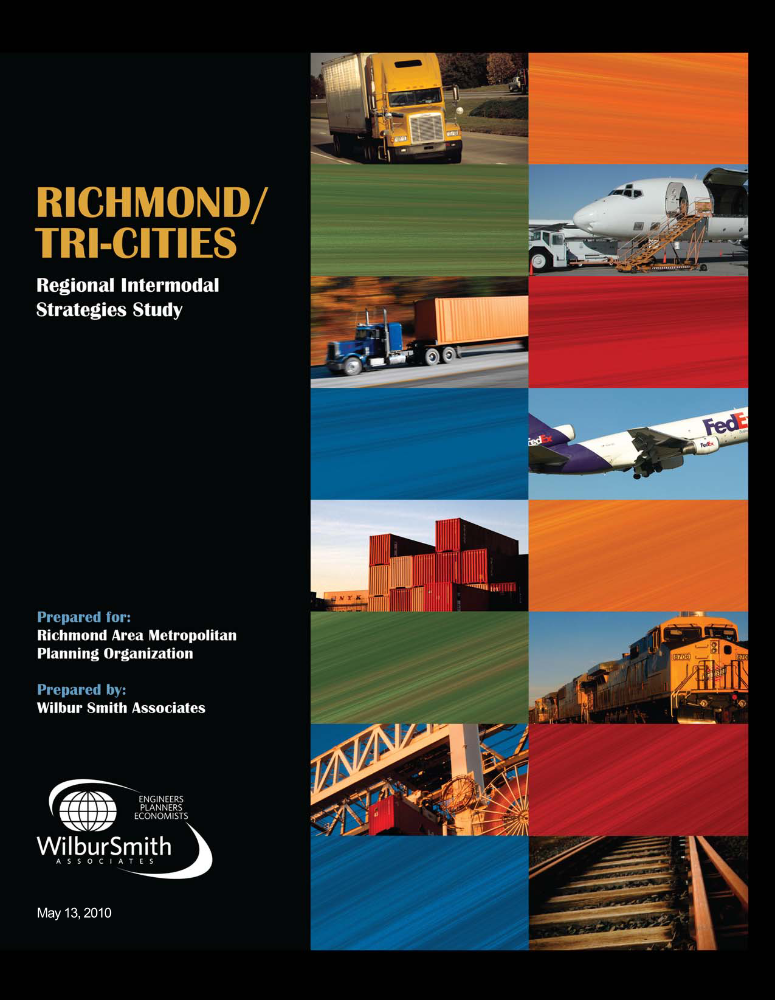
Freight and supply chain logistics play a major role in the regional multimodal transportation system and regional economy. At PlanRVA, we are committed to planning a freight network that moves goods safely, efficiently, and reliably across the Richmond region. As our population and economy grow, we work to ensure our supply chains remain resilient, supporting local businesses and enhancing the daily quality of life for our residents.
What is Freight Planning?
Freight is defined by goods transported in bulk by land (truck and rail), air, and water. Utilizing the federal 3C planning process (continuing, comprehensive, and cooperative), the Richmond MPO is federally required to analyze, track, and reflect freight facilities and movements in its planning processes. Under 23 CFR 450.206(a) MPOs are required to implement projects, strategies, and services that will:
- Increase accessibility and mobility of people and freight; and
- Enhance the integration and connectivity of the transportation system, across and between modes throughout the State, for people and freight.
Freight planning bridges the gap between public infrastructure investment and private supply chain needs. Because private freight carriers rely on public roads, ports, and intermodal connectors, public planners analyze freight flows to target federal/state funding where bottlenecks, safety hazards, or capacity gaps are most severe.
Regional freight planning generally addresses four main pillars:
- Safety & Resilience: Improving high-crash corridors, planning alternative routes to ensure supply chains remain operable during natural disasters or major disruptions.
- Multimodal Infrastructure: Ensuring highways, railways, marine ports, air cargo facilities, and inland intermodal terminals can handle current and future freight volumes safely and without bottlenecking.
- Economic Support: Connecting local industries, distribution centers, and agricultural hubs to national and global supply chains to maintain economic competitiveness.
- Community & Environmental Impact: Managing the negative externalities of heavy transport—such as reducing diesel emissions, mitigating noise pollution in residential areas, and preventing freight traffic from bottlenecking local roads.
Addressing these pillars requires the following elements for effective planning:
- Freight data collection and needs assessment
- Identifying pertinent regional stakeholders
- Conducting effective outreach
- Establishing regional vision, goals, and objectives
- Linking freight planning activities, projects, and policies to programming processes
Our Freight Vision
PlanRVA’s Freight Planning Program drives safe, efficient, and equitable goods movement across the Richmond region while actively reducing environmental and community impacts.
Our Program Commitments:
- Enhance Safety & Accessibility: Modernize key freight corridors and modal connections to ensure safe, reliable delivery.
- Advance Sustainability: Encourage multimodal freight options (rail, highway, and waterway) to help lower greenhouse gas emissions.
- Adapt & Innovate: Stay ahead of evolving supply chain trends and technology to support long-term regional economic growth.
- Protect Communities: Minimize environmental noise, air quality impacts, and congestion around logistics facilities and industrial hubs
Other Resources
State Planning
- 2022 Virginia Statewide Rail Plan
- 2026 Statewide Rail Plan Update
- VTRANS: Virginia’s Transportation Plan: Freight Element
Federal Highway Administration (FHWA)
Freight Planning